
What Is RPE? And How Do You Use It?
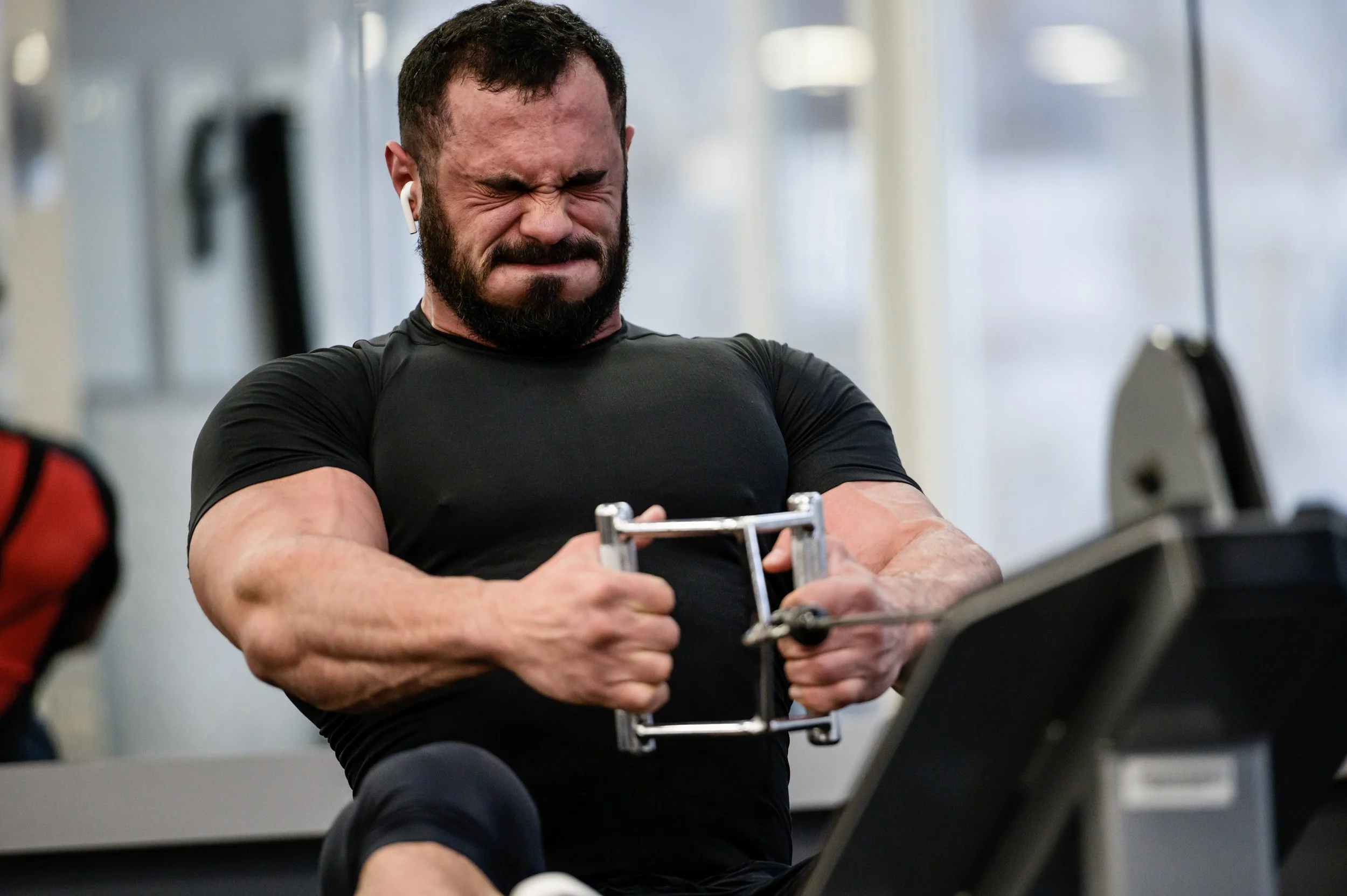
You've probably already been doing this without knowing it had a name.
Ever finish a set and think "I had more in me" or the complete opposite, "there was absolutely nothing left"?
That feeling you're describing? That's RPE. We're just going to put a number on it so you can start using it with intention.
This is something we'll use often when talking about intensity levels of exercises and future training topics.
So What Is RPE?
RPE stands for Rate of Perceived Exertion. In simpler terms? How hard did that set feel? It’s a way to measure effort. There are two different scales to measure RPE. The 0-10 scale and the Borg Scale. We’ll be using the 0–10 scale.
0 = complete rest
10 = absolute failure
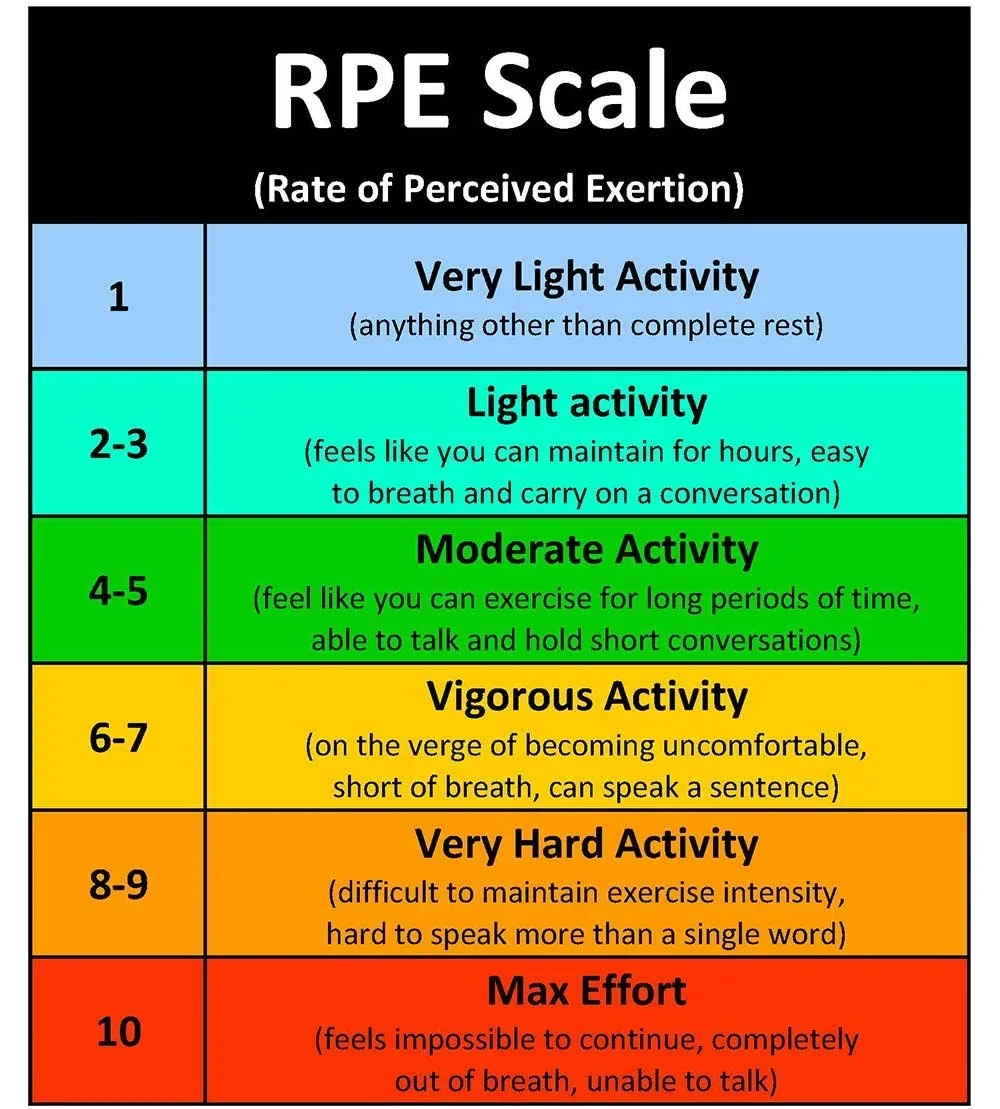
RPE Scale
At first, you won’t be perfect. You might think something is a 9… And it was really an 8. That’s fine. You just need to be in the ballpark.
The more you train…
The more you push close to failure…
The better you get at judging effort.
Here's an example of using RPE in a weightlifting context:
Let’s say you’re bench pressing.
You're doing a set of 6 reps.
You get to that sixth rep and
The bar’s pinned.
Your heart’s racing.
You’re pushing with everything you’ve got.
It just barely gets up and you complete that set.
That’s a 10.
There was nothing left. If I told you to do a seventh rep, there’s no chance that bar would’ve come back up. A 9? You could’ve done one more rep. An 8? Two more reps. Think of RPE as reps in reserve.How many reps did you have left in the tank?That’s your number.
Simple.
RPE gives you structure. It teaches you to train with intention.
Not just moving weight. But understanding effort.
This is your first tool.
Learn the scale.
Use it.
We’ll build from here.
